
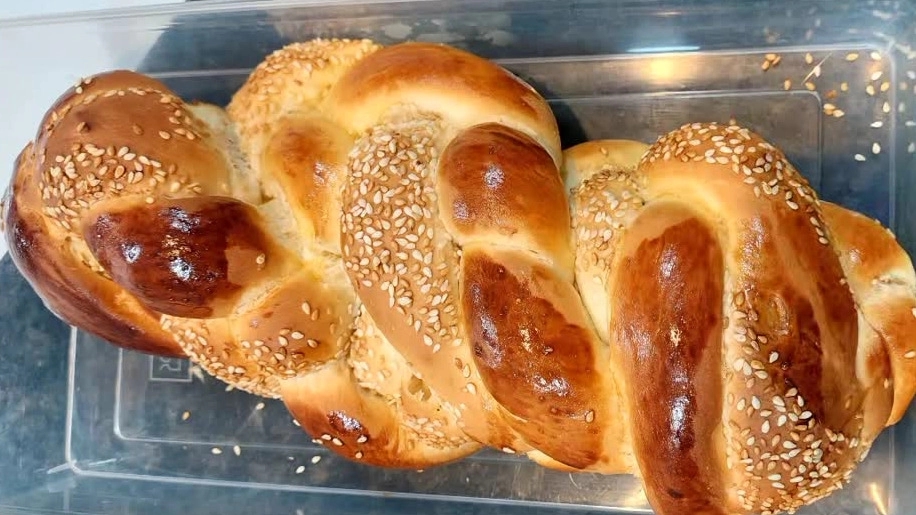
The aroma of fresh bread can change the experience of a customer entering a cafe. Bread that has the right texture, toasts well, and complements the ingredients in the sandwich, is not just a companion to the meal; It is part of the quality of the final product. For this reason, baking bulk and semi-bulky fancy bread for cafes is a valuable skill for cafe owners, kitchen staff and those interested in starting a food business.
A cafe may need soft and light bread for breakfast, use bread with a stronger structure for warm sandwiches, and serve bread with a colorful crust for soup or salad. No one bread is the best choice for all of these uses. Knowing the difference between large and semi-large breads, controlling the dough and choosing the right baking method will help to prepare a product that is both tasty and performs well when served.
In this guide, we examine the principles of choosing raw materials, preparing dough, fermentation, shaping, baking and storing cafe bread. We also see how the practical training of these skills can make the path of producing high-quality bread smoother for a cafe or small business.
Why is it important to bake special bread for the cafe?
Many cafes depend on ready-made products to prepare bread. This method may be easier at the beginning, but it does not always allow for accurate selection of the size, taste, softness and delivery time of the bread. When the cafe is familiar with the principles of baking bread, it can design the product according to its menu; For example, hamburger bread with the right diameter, sandwich bread with a soft crust or breakfast bread that still has a pleasant texture after heating.
Baking bread in a cafe or knowingly working with a bread producer also helps with quality control. If the business owner knows the characteristics of a good bread, he can more easily identify the cause of problems such as quick drying, compact texture or the bread falling under the food. This knowledge is used to choose the right supplier even when the bread is not produced at the cafe.
Professional bread can also contribute to the identity of the menu. A customer may forget the name of a sandwich, but remember the texture and taste of the different bread. Of course, the freshness of the bread alone is not enough; The quality should be repeatable in different orders. The goal of learning baking bulk and semi-bulky fancy bread for cafes is to achieve the same balance between taste, appearance, speed of preparation and stability of the product.
What is the difference between bulk and semi-bulky bread?
Bulky bread usually has a fluffier inner texture and a higher height. Soft shaped breads, hamburger bread and some types of breakfast bread are included in this group. Such breads are suitable for products that require soft texture and regular cutting. If the dough and baking are managed properly, a loaf can have good volume without feeling too doughy when eaten.
Semi-bulky bread usually has a denser structure or a more defined crust. Some sandwich breads, baguettes suitable for serving in cafes and small breads with food can be checked in this category. The exact characteristic of each bread depends on the dough formula, water content, fermentation method, shaping and baking conditions; Therefore, naming alone is not enough to predict the final texture.
Choosing between these two groups should start from the use of bread. A sandwich with moist ingredients requires bread that does not fall apart when served. For breakfast, a softer texture may be desirable. For serving with food, the crust and aroma of bread become more important. Knowing these differences makes the cafe have a more targeted choice instead of using a fixed bread for all meals.
Choosing the right ingredients for fancy cafe bread
The quality of bread starts with the raw materials. Flour, water, yeast and salt are the basis of many breads, but their compatibility with the type of product is more important than the long list of ingredients. Using the right flour helps to form the structure of the dough. If the flour is not compatible with the desired formula, the dough may be too loose or the bread may not reach the desired texture after baking.
Water is apparently the simplest ingredient, but its amount affects the softness of the dough, working with it and the final texture. Adding water can make dough difficult to control, regardless of the absorption capacity of the flour or the environmental conditions. Salt is not just for taste; It plays a role in the behavior of the dough and the balance of the fermentation process. Yeast should be used according to the production schedule, rest time and ambient temperature.
In some recipes, milk, butter, oil, eggs or a certain amount of sugar are added to the dough. These ingredients can contribute to softness, color and taste, but their selection should be in harmony with the type of bread. The bread that is designed for hamburgers does not necessarily have the same combination as for a warm sandwich or bread with soup. One of the most important principles in baking bulk and semi-bulky fancy bread for cafes is to determine the use of the product first and then choose the dough formula.
Kneading the dough and knowing the right time to stop
Kneading helps to form a structure that holds the gas from fermentation. Under-kneaded dough may be weak in shaping and the final bread may not have the desired volume. On the other hand, kneading inconsistent with the type of flour and machine can also make it difficult to work with the dough. For this reason, determining the kneading time just by looking at the clock is not always accurate.
When working with the dough, you should pay attention to its signs: Has the surface of the dough become more uniform? Does it have adequate resistance when pulling? Can it be shaped without immediate tearing? Answering these questions, along with knowing the command, is a better guide than a fixed time for all situations. The temperature of the dough is also important; A dough that is overheated during work may behave differently than expected during the process.
Repeatability is especially important in the cafe environment. Recording the amount of ingredients, mixing time, dough condition and baking result will help the cook or baker make a more accurate decision next time. Making good bread doesn't just depend on having a recipe; The ability to observe and modify dough is an important part of professional skill.
dough fermentation; A decisive step in taste and texture
Fermentation is when the dough gets a chance to grow and form part of its aroma and texture. If the dough enters the next step before it reaches the right state, the bread is likely to be compressed or undersized. If the fermentation continues too much, the dough may lose its ability to keep its shape or not give the desired result in the oven.
The temperature of the environment, the type of yeast, the composition of ingredients and the size of the chins have an effect on the fermentation speed. Therefore, a specific rest time does not necessarily produce the same result on all days. Examining the rate of growth of the dough and its reaction to a gentle touch, along with experience and valid teaching instructions, helps to recognize the right time.
For bars, the fermentation schedule should be coordinated with the serving time. If fresh bread is to be prepared for the busy morning hours, the production process must be planned in advance. At this stage, the skill is not limited to cooking; Time management is also a part of baking bulk and semi-bulky fancy bread for cafes.
Shaping the bread according to the cafe menu
Correct shaping affects both the appearance of the bread and the uniformity of baking. Chins of the same weight, under similar conditions, more easily transform into products of similar size. This issue is important for the cafe; Because the size of the bread should be proportional to the amount of intermediate ingredients, the serving dish, and the pricing of the product.
The hamburger bun should be wide and high enough to hold the food and not be difficult to eat. The sandwich bread should be slicable and maintain its structure when adding ingredients. It is better to have small breads with the meal that are suitable for one serving so that they are easy to serve and reduce wastage.
Excessive pressure during shaping can remove some of the air from the dough. Conversely, too loose shaping may make the final look irregular. Achieving balance is achieved through practice; An exercise in which the result of each method is checked after baking, not just the appearance of the dough before entering the oven.
Tips for baking large and semi-large bread in the oven
The right oven is not defined only by reaching a specific number on the screen. The actual temperature, how the heat is distributed, the size of the tray, the distance between the loaves and the baking time affect the result. A bread that has a nice colored top may not be cooked well in the center; Therefore, the appearance should be checked together with other signs.
The type of bread determines the optimal humidity level in the oven. In some breads, initial baking conditions help better growth and crust formation; In others, the goal is to maintain a smoother process. Using the same oven settings for all products may cause the breakfast bread to dry out or the sandwich bread to get an inappropriate crust.
After leaving the oven, the work process is not finished. The bread should be properly cooled so that its inner texture stabilizes. Slicing or wrapping very hot bread may reduce its quality. For cafe production, it is necessary to include the cooling time in the order preparation program.
Which fancy breads are more suitable for the cafe menu?
The choice of bread should be in harmony with the style of the menu. For a cafe that serves a variety of breakfasts, soft, slicable breads suitable for testing are very useful. If a significant part of the sale is dedicated to sandwiches, the bread's resistance to sauces and wet ingredients becomes important. In a menu where soup and salad have a special place, small breads with the right taste and crust can complete the serving experience.
Hamburger bread, toast, baguette suitable for sandwiches and small individual breads are among the options that can be considered. However, one should not make a decision based on the popularity of a bread name alone. It is better to test each option together with the final dish: does the bread retain its quality after heating? Is it the right size for a serving? Does the taste of bread overpower the main ingredients?
Preparing a trial sample and receiving feedback from employees and customers can make the selection more accurate. Sometimes, a small change in the weight of the chin, the thickness of the crust, or the way of cutting, makes the use of a bread in the menu noticeably better. The product-oriented look at bread is one of the important differences between home baking and targeted production for the cafe.
Keeping fresh bread and reducing waste in the cafe
Even well-baked bread loses its quality if it is not stored properly. First, it should be determined when the bread is to be consumed: the same day, the next day or in a longer period. The storage method is not the same for all breads and it depends on the composition, moisture level, type of crust and the way of serving.
For packaging, it is important to cool the bread sufficiently. Steam trapped in the package can have an adverse effect on the texture and surface of the bread. On the other hand, leaving bread out in the air for too long may dry it out sooner. Having a clear process for cooling, packaging, labeling and consumption according to the time of production helps to maintain quality.
Estimating the amount of sales is also a part of cafe bread management. Producing more than needed creates waste and costs; Production less than required may also cause the temporary removal of menu items. Recording daily sales and checking the pattern of orders helps to gradually make the production volume more accurate. As a result, learning baking bulk and semi-bulky fancy bread for cafes should be accompanied by knowing the principles of production planning.
How does the practical training of baking bread help to start or develop a cafe?
Reading the recipe is a good starting point; But knowing the texture of the dough and recognizing the right time for each step is usually better formed with practical practice. In practical training, students can see the difference between ready dough and dough that needs more kneading, practice shaping and check the results of their decisions after baking.
For someone who is planning to start a cafe, this tutorial can help to design a more realistic menu. How much bread can be produced daily with the available facilities? Which product needs more preparation time? Is the work space, oven and manpower enough to cook on site? Getting to know the cooking process makes the answer to these questions more accurate.
Nilofar cooking school can be a starting point for those interested in learning cafe breads to consider practical training. If your goal is to produce bread for a cafe menu or to improve your professional cooking skills, when choosing a course, it is better to inquire about the topics of bulk and semi-bulk bread, the amount of practical training, the equipment used and the suitability of the training to your work goal. In this way, the selection of the course is done based on your real needs.
How to have an effective training program for baking cafe bread?
To begin with, it is better to choose two or three products related to the desired menu instead of trying many breads. For example, a soft breakfast bread, a sandwich bread, and a small sided bread can be a useful set for training. Focusing on a few specific products provides more opportunity to check the quality and improve the process.
For each cooking round, write down the amount of ingredients, times, environmental conditions and the final result. Then don't judge the bread based on appearance alone; Also check cutability, taste, texture after cooling and performance when served. If the bread is designed for a sandwich, test it with actual sandwich ingredients.
In the next step, pay attention to the consistency of the result. A good bread that has succeeded only once is not yet ready for the fixed cafe menu. The goal is to be able to produce a product of similar quality in different turns with a clear process. Training, practice and recording the results together make the path to this stability shorter and more understandable.
summary
Baking large and semi-large fantasy bread for cafes It is not just the execution of a recipe; It's a series of decisions about flour selection, dough management, fermentation, shaping, baking, storage, and matching the bread with the menu. The right bread can improve the quality of sandwiches, breakfast and other cafe items, but achieving a repeatable result requires knowing the process and practice.
If you want to learn the basics of making cafe bread, check the educational topics and conditions of the courses of Nilofer cooking school. Choosing an education suitable for your goal can be the first step to turn interest into skill and provide high-quality bread in the cafe menu.